Programs

Four routes to enforce value — and one to transact.

Recovery routes are not interchangeable. A freezing order is useless against a defendant with no assets in the jurisdiction. A criminal referral is useless if the conduct is not criminal there. We choose the route after the assessment, not before. And when the value sits in a business rather than an account, the transaction — selling it, buying it, rescuing it — can reach what enforcement cannot.

A glass-clad federal courthouse reflecting the sky above downtown Los Angeles
U.S. Courthouse, Los AngelesRDNE Stock project · Pexels

Civil

Civil recovery

For matters where the recipient can be identified and there are assets, or a solvent defendant, in a jurisdiction that enforces civil judgments.

Use this when
You know who received the money, the claim is civil in nature, and there is something to enforce a judgment against.
What we do
Pre-action investigation and evidence preservation. Freezing and disclosure orders where the court allows them. Claims in contract, tort, unjust enrichment or breach of trust. Enforcement of judgments abroad.
What you get
A pleaded claim or a negotiated settlement position, supported by a transaction map and a costs budget.
Where it stops
A judgment is not money. Enforcement depends on finding assets, and asset searches cost money before they produce anything.

A white, multi-level library atrium with bookshelves and staircases
City Library, Stuttgartdetait · Pexels

Administrative

Administrative recovery

For matters where a regulated firm or a supervisory body has power over the conduct, and a complaint can produce remediation.

Use this when
The counterparty is a bank, broker, payment processor, insurer or other regulated firm, or a regulator has jurisdiction over the conduct.
What we do
Regulatory complaints and referrals. Coordination with licensing and supervisory bodies. Remediation and restitution claims. Ombudsman schemes where they apply.
What you get
A complaint file, a regulatory chronology and a restitution proposal that a regulator can act on.
Where it stops
Regulators are not a debt collection service. They can sanction a firm without ordering it to repay you.
Rows of server racks in a secure data centre
Secure data facilityBrett Sayles · Pexels

Criminal

Criminal recovery

For conduct that is criminal in the relevant jurisdiction, where prosecutors have confiscation, forfeiture or restitution powers.

Use this when
The conduct is criminal where it happened, a report has been or will be made, and the prosecutor has powers to restrain or confiscate assets.
What we do
Referral and case-file coordination. Victim statements and evidence bundles. Confiscation, forfeiture and restitution processes. Victim claims within criminal proceedings.
What you get
A victim file that meets the prosecutor's evidential standard, plus a parallel civil strategy where the criminal route stalls.
Where it stops
The standard of proof is higher, timelines are longer, and the state controls the case. We cannot direct a prosecution.
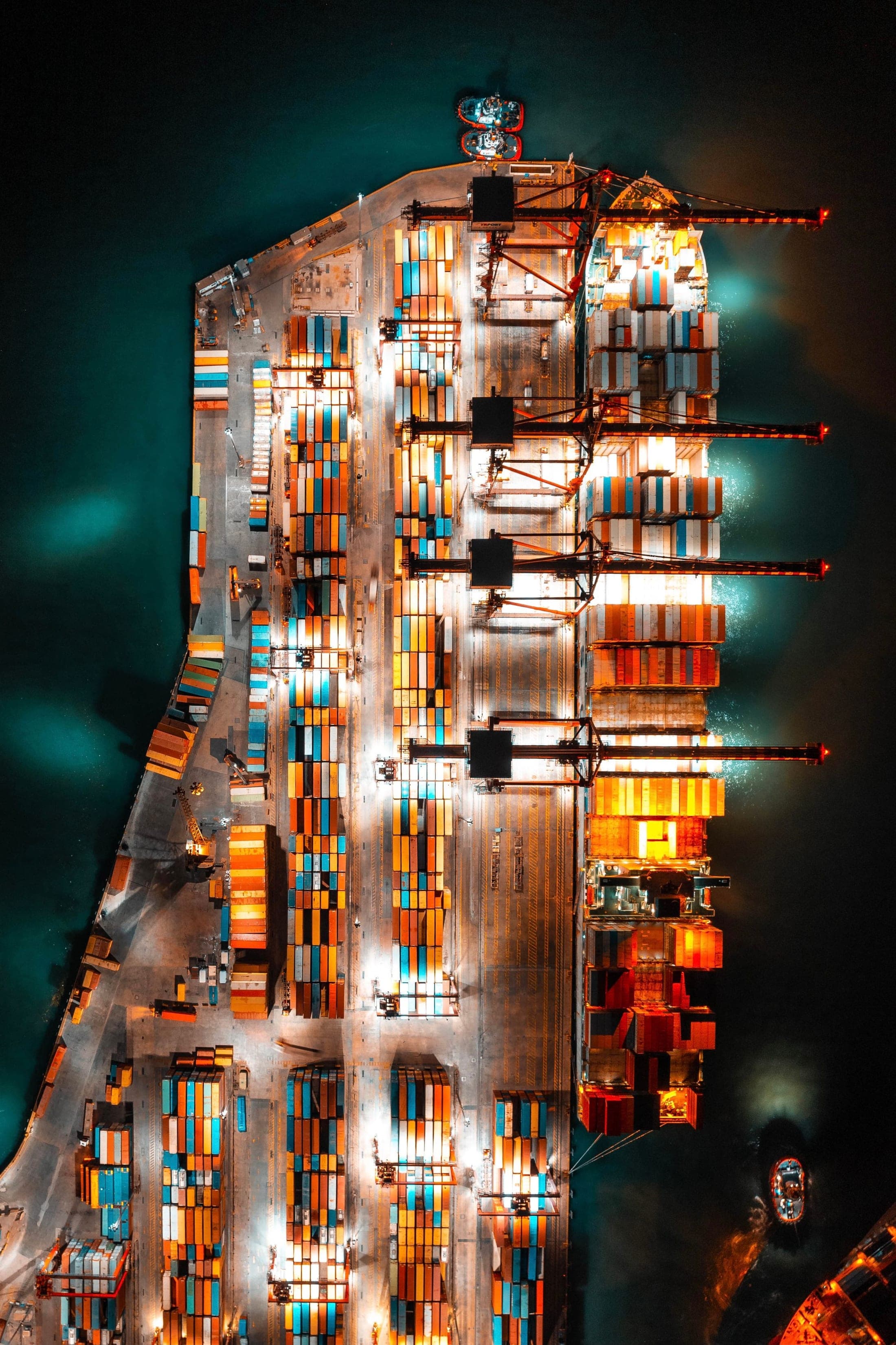
An aerial night view of a container terminal with stacked containers and lit cranes
Container terminal at nightFatih Turan · Pexels

International

International funds recovery

For value that has crossed a border, or an entity holding it that is incorporated somewhere other than where the loss occurred.

Use this when
The money, the recipient or the holding company sits outside the jurisdiction where the loss happened.
What we do
Cross-border tracing and beneficial ownership analysis. Mutual legal assistance coordination. Local counsel instruction. Multi-jurisdiction enforcement planning.
What you get
A jurisdiction map, a filing sequence and a cost estimate for each stage before anything is filed.
Where it stops
Treaty requests can take a year or more, and some jurisdictions will not enforce certain foreign judgments at all.
A hand signing a contract with a fountain pen at a wooden desk
Contract executionGeorge Piskov · Pexels

M&A

Mergers & acquisitions

For buying, selling or rescuing a business — including distressed situations, where a properly run sale can reach value faster than a claim that takes years.

Use this when
The value in the matter sits in a business: one you want to sell, one you are considering buying, or one that needs to be restructured or sold as a going concern.
What we do
Vendor and purchaser due diligence across financial, legal and operational records. Valuation support with the assumptions stated. Term sheets, negotiation support and coordination with local counsel and licensed intermediaries where the rules require them. Funds-flow and escrow planning for the money itself.
What you get
A diligence report with the red flags you can act on, a valuation range you can defend, a transaction sequence from letter of intent to closing, and a funds-flow plan.
Where it stops
An agreed price is not money received either. Deals can fail between signing and closing, and diligence finds the problems that end transactions early — which is the point of doing it first.

Choosing a route

A planning aid, not advice. Speed and cost are relative to each other, and the facts of a matter can move it from one row to another.

RouteTypical first stepSpeedCostWho controls it
CivilFreezing order or claimWeeks to monthsMedium to highYou and your lawyers
AdministrativeComplaint to regulatorMonthsLow to mediumThe regulator
CriminalReport to police or prosecutorMonths to yearsLow direct costThe state
InternationalLocal counsel and treaty requestMonths to yearsHighSeveral authorities
M&ALetter of intent, then diligenceMonthsMedium to highThe parties and their advisers

Not sure which route fits?

That is normal at the start. Send a short description and we will tell you which routes the documents actually support, and which ones would waste money.